Categories
Polity

Structure of the Indian Parliament Explained: A Comprehensive Guide for Students and Aspirants

Structure of the Indian Parliament Explained: Your Ultimate Guide for Exams and Beyond

Introduction

The Indian Parliament is the cornerstone of the country’s democratic framework, embodying the will of over 1.4 billion people. For students of SSC, CBSE, and ICSE, as well as graduates and postgraduates preparing for competitive exams like UPSC, SSC CGL, or Banking, understanding the Structure of the Indian Parliament explained in a clear and concise manner is essential. This article provides an in-depth, exploration of the Indian Parliament. Backed by credible sources and expert insights, this guide is designed to empower students and aspirants with the knowledge needed to excel in academics and competitive exams.

What is the Indian Parliament?

The Indian Parliament is the supreme legislative body of India, responsible for making laws, overseeing governance, and representing the populace. Established under the Constitution of India, which came into effect on January 26, 1950, it operates as a bicameral legislature, comprising two houses: the Lok Sabha (House of the People) and the Rajya Sabha (Council of States). The President of India is an integral part of the Parliament, playing a pivotal role in the legislative process.

Key Functions of the Indian Parliament

  • Legislative: Drafting and passing laws.
  • Executive Oversight: Holding the government accountable through debates and questions.
  • Financial: Approving budgets and taxation policies.
  • Representative: Voicing the concerns of citizens.

Expert Insight: According to Dr. B.R. Ambedkar, the architect of the Indian Constitution, the Parliament is a “temple of democracy,” reflecting the aspirations of the Indian people.

Structure of the Indian Parliament Explained

The Indian Parliament’s structure is designed to balance representation, stability, and expertise. Below, we break down its components:

1. The President of India

The President is the head of the Indian Parliament, though not a member of either house. Their role includes:

  • Assenting to bills passed by both houses to make them laws.
  • Summoning and proroguing parliamentary sessions.
  • Addressing the joint session at the beginning of each year.
  • Issuing ordinances when Parliament is not in session.

Source: Constitution of India, Article 79.

2. Lok Sabha (House of the People)

The Lok Sabha is the lower house, directly elected by the people of India. Key features include:

  • Composition: Up to 543 elected members (plus 2 nominated Anglo-Indian members, if deemed necessary by the President, though this provision was discontinued in 2020).
  • Election: Members are elected via universal adult suffrage in single-member constituencies.
  • Tenure: Five years, unless dissolved earlier.
  • Leadership: Presided over by the Speaker, who maintains order and facilitates debates.
  • Powers: Exclusive control over money bills and the ability to initiate a no-confidence motion against the government.

Did You Know? The 543 seats are allocated based on population, with periodic delimitation exercises to adjust constituencies.

3. Rajya Sabha (Council of States)

The Rajya Sabha is the upper house, representing the states and union territories. Its features are:

  • Composition: Up to 250 members, with 238 elected by state and union territory legislatures and 12 nominated by the President for their expertise in fields like art, science, or social service.
  • Election: Indirect election through proportional representation using the single transferable vote system.
  • Tenure: Permanent body with one-third of members retiring every two years.
  • Leadership: Chaired by the Vice President of India, who is the ex-officio Chairman.
  • Powers: Equal to Lok Sabha in most legislative matters, except money bills, where it can only make recommendations.

Source: Constitution of India, Articles 80-81.

4. Parliamentary Committees

To enhance efficiency, Parliament relies on committees like:

  • Standing Committees: For detailed scrutiny of bills and policies (e.g., Finance Committee).
  • Ad Hoc Committees: For specific, temporary purposes.
  • Joint Parliamentary Committees: Involving members from both houses for critical issues.

Expert Quote: “Committees are the backbone of parliamentary scrutiny,” says former Lok Sabha Speaker Sumitra Mahajan.

How the Indian Parliament Functions

The Parliament operates through sessions, typically three per year: Budget Session, Monsoon Session, and Winter Session. Bills are introduced, debated, and passed in a structured process:

  1. Introduction: A bill is presented in either house.
  2. Debate and Scrutiny: Discussed in the house and referred to committees if needed.
  3. Voting: Passed by a simple majority (or special majority for constitutional amendments).
  4. Other House: Sent to the other house for approval.
  5. President’s Assent: Becomes law after the President’s approval.

Special Provisions

  • Money Bills: Originate only in Lok Sabha; Rajya Sabha can suggest amendments but cannot reject.
  • Joint Sitting: Called by the President to resolve deadlocks between houses (rare, e.g., Prevention of Terrorism Act, 2002).

Source: Constitution of India, Articles 107-111.

Why Understanding the Structure is Crucial for Students and Aspirants

For SSC, CBSE, and ICSE students, the structure of the Indian Parliament is a key topic in Civics and Social Studies. It helps build a foundational understanding of governance. For competitive exam aspirants (UPSC, SSC CGL, Banking, etc.), this knowledge is tested in:

  • General Studies: Questions on parliamentary structure, functions, and amendments.
  • Current Affairs: Understanding recent legislative changes or parliamentary debates.
  • Essay Writing: Topics like “Role of Parliament in Indian Democracy” are common.

Tips for Exam Preparation

  • Memorize Key Articles: Articles 79-122 of the Constitution cover Parliament.
  • Use Mnemonics: For example, “LRS” for Lok Sabha, Rajya Sabha, Speaker.
  • Follow Current Affairs: Read about recent bills, sessions, or committee reports in newspapers like The Hindu or Indian Express.
  • Practice MCQs: Solve past papers to identify question patterns.

Source: NCERT Class 11 Political Science textbook, “Indian Constitution at Work.”

Challenges and Reforms in the Indian Parliament

Despite its robust structure, the Indian Parliament faces challenges:

  • Disruptions: Frequent adjournments due to protests reduce productive time.
  • Low Representation: Women constitute only ~14% of Lok Sabha members.
  • Legislative Delays: Pendency of bills affects governance.

Proposed Reforms

  • Minimum Sitting Days: Ensure at least 100 sitting days annually.
  • Women’s Reservation: Implement the Women’s Reservation Bill for 33% seats.
  • Anti-Defection Law: Strengthen provisions to curb party-switching.

Expert Insight: The 2023 Parliamentary Functioning Report by PRS Legislative Research highlights that Parliament sat for only 55 days on average annually between 2014-2019.

Conclusion

The Structure of the Indian Parliament explained in this article offers a comprehensive guide for SSC, CBSE, and ICSE students, as well as competitive exam aspirants. By understanding the roles of the President, Lok Sabha, Rajya Sabha, and parliamentary committees, you can grasp the essence of India’s democratic machinery. This knowledge not only aids academic success but also empowers you to engage with India’s governance as informed citizens.

Want to dive deeper into Indian polity? Share your thoughts in the comments, subscribe for more exam-focused content, or take our free quiz on the Indian Parliament to test your knowledge!

FAQs on the Structure of the Indian Parliament

1. What is the difference between Lok Sabha and Rajya Sabha?

Answer: Lok Sabha is the lower house, directly elected by the people, with 543 members serving five-year terms. Rajya Sabha is the upper house, indirectly elected by state legislatures, with up to 250 members and a permanent body where one-third retire every two years.

2. Can Rajya Sabha reject a money bill?

Answer: No, Rajya Sabha cannot reject a money bill. It can only make recommendations, which Lok Sabha may accept or reject.

3. Who presides over a joint sitting of Parliament?

Answer: The Speaker of the Lok Sabha presides over a joint sitting, as per Article 118 of the Constitution.

4. How are parliamentary committees formed?

Answer: Committees are formed by the Speaker (Lok Sabha) or Chairman (Rajya Sabha), comprising members from both houses, often proportional to party strength.

5. Why is the President considered part of Parliament?

Answer: The President is integral to Parliament under Article 79, as they assent to bills, summon sessions, and issue ordinances.


Also Read: GK Questions on Indian Polity

Categories
Polity

GK Questions on Indian Polity

Introduction

GK questions on Indian polity for competitive exams​ cover key concepts, important events, and the structure of governance in India, helping aspirants master fundamental topics crucial for exams.

GK Questions on Indian Polity: One-Liner Questions

  1. What is the minimum age for election to the Lok Sabha?
  2. Who appoints the Chief Election Commissioner of India?
  3. What does Article 370 of the Indian Constitution deal with?
  4. Who was the first President of India?
  5. Which amendment is known as the “Mini Constitution”?
  6. What is the term length of the Rajya Sabha members?
  7. In which year was the Planning Commission of India established?
  8. Who is known as the “Father of the Indian Constitution”?
  9. What is the maximum strength of the Lok Sabha?
  10. Which Article provides for the imposition of President’s Rule in states?
  11. Who can initiate the process of impeachment of the President of India?
  12. How many fundamental duties are listed in the Indian Constitution?
  13. What is the minimum age to be eligible for the post of the Prime Minister of India?
  14. What does Article 17 of the Indian Constitution abolish?
  15. Who was the first woman Governor of an Indian state?
  16. Which body is responsible for conducting elections in India?
  17. In which part of the Indian Constitution is citizenship mentioned?
  18. What is the primary function of the Parliament of India?
  19. Who has the power to dissolve the Lok Sabha?
  20. Which Article deals with the Right to Equality?
  21. Who can declare a national emergency in India?
  22. What is the full form of PIL in the Indian judicial system?
  23. Which state was the first to be formed on a linguistic basis?
  24. What is the retirement age of a Supreme Court judge in India?
  25. Who presides over the joint session of the Indian Parliament?
  26. Which schedule of the Indian Constitution deals with Panchayati Raj?
  27. How many schedules are there in the Indian Constitution?
  28. Who was the first female Speaker of the Lok Sabha?
  29. Which Article is associated with the Protection of Life and Personal Liberty?
  30. What is the role of the Vice-President in India?
  31. Who appoints the Governor of a state in India?
  32. Which Article mentions the Uniform Civil Code?
  33. What is the highest law-making body in India?
  34. Who can amend the Indian Constitution?
  35. In which year did India become a republic?
  36. How many members does the Rajya Sabha have?
  37. What does Article 32 of the Indian Constitution empower citizens to do?
  38. Which body in India ensures that elections are conducted fairly?
  39. What is the maximum number of members in the Rajya Sabha from a state?
  40. Who decides the disputes regarding the election of the President?
  41. How many types of emergencies are mentioned in the Constitution?
  42. Who has the authority to create a new state in India?
  43. What does the Finance Commission of India deal with?
  44. Which committee recommended the Panchayati Raj system?
  45. Who is the executive head of a state in India?
  46. What does Article 21 guarantee?
  47. Who was the first Chief Justice of India?
  48. Which part of the Constitution deals with Directive Principles of State Policy?
  49. What is the term of the President of India?
  50. Who can propose amendments to the Indian Constitution?
  51. What does the term “bicameral legislature” mean?
  52. Who is the constitutional head of India?
  53. Which article empowers the President to pardon?
  54. What is the main purpose of the Indian Parliament?
  55. Who chairs the NITI Aayog?
  56. What is the total number of Lok Sabha constituencies?
  57. What does the term “federalism” mean in the context of the Indian polity?
  58. Who was the first Vice-President of India?
  59. What does Article 356 pertain to?
  60. Who acts as the Chairman of the Rajya Sabha?
  61. Which state was formed in 2000 along with Jharkhand and Uttarakhand?
  62. What is the role of the Comptroller and Auditor General of India?
  63. Who is responsible for the framing of the Indian Constitution?
  64. What is the purpose of the Sixth Schedule of the Indian Constitution?
  65. Who appoints the Chief Justice of a High Court?
  66. Which amendment reduced the voting age from 21 to 18?
  67. What does the Seventh Schedule of the Constitution deal with?
  68. Who administers the oath of office to the President?
  69. What is the role of the Election Commission?
  70. What does the term “quorum” mean in parliamentary terms?
  71. Who is the Commander-in-Chief of the Indian Armed Forces?
  72. What does Article 14 of the Constitution guarantee?
  73. Who was the first law minister of independent India?
  74. What is the role of a Chief Minister?
  75. Which part of the Constitution deals with Fundamental Rights?
  76. Who appoints the Attorney General of India?
  77. What is meant by a “money bill”?
  78. Which Article provides for the Right to Education?
  79. What is the maximum period for which President’s rule can be imposed?
  80. Who is responsible for delimitation of constituencies?
  81. What is the function of the Public Accounts Committee?
  82. Which Article is related to the Right to Freedom of Religion?
  83. How many High Courts are there in India?
  84. What is the quorum requirement for a Lok Sabha meeting?
  85. Which Article deals with the prohibition of discrimination?
  86. Who has the final say on a money bill?
  87. Who was the first Deputy Prime Minister of India?
  88. What is the minimum number of times Parliament must meet each year?
  89. What is the term for transferring power from the central government to states?
  90. Who appoints the Chief Minister of a state?
  91. What does the term “Judicial Review” imply?
  92. Who can summon and prorogue the Parliament?
  93. What does Article 51A deal with?
  94. Which Article guarantees cultural and educational rights?
  95. What does “Adjournment” mean in Parliament?
  96. Who was the first woman Chief Minister of an Indian state?
  97. What is the primary function of the Governor?
  98. Which Article deals with the Right to Constitutional Remedies?
  99. Who has the authority to introduce a constitutional amendment bill?
  100. What is the significance of the 73rd Amendment Act?

GK Questions on Indian Polity: Answers

  1. 25 years
  2. The President of India
  3. Special status of Jammu and Kashmir
  4. Dr. Rajendra Prasad
  5. 42nd Amendment
  6. 6 years
  7. 1950
  8. Dr. B.R. Ambedkar
  9. 552 members
  10. Article 356
  11. Either house of Parliament
  12. Eleven
  13. 25 years
  14. Untouchability
  15. Sarojini Naidu
  16. The Election Commission of India
  17. Part II
  18. Law-making
  19. The President
  20. Article 14
  21. The President
  22. Public Interest Litigation
  23. Andhra Pradesh
  24. 65 years
  25. The Speaker of the Lok Sabha
  26. Eleventh Schedule
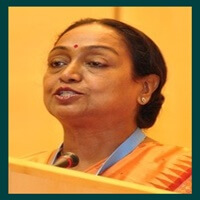
  27. Twelve
  28. Meira Kumar
  29. Article 21
  30. Vice-President acts as the ex-officio Chairman of the Rajya Sabha
  31. The President
  32. Article 44
  33. The Parliament
  34. Parliament through amendments
  35. 1950
  36. 245 members
  37. Right to constitutional remedies
  38. The Election Commission
  39. Depends on the population of the state
  40. The Supreme Court
  41. Three types
  42. Parliament
  43. Distribution of financial resources between the center and states
  44. Balwant Rai Mehta Committee
  45. The Governor
  46. Right to life and personal liberty
  47. H. J. Kania
  48. Part IV
  49. Five years
  50. Members of Parliament
  51. A legislature with two houses
  52. The President
  53. Article 72
  54. Enacting laws
  55. The Prime Minister
  56. 543 constituencies
  57. Distribution of power between central and state governments
  58. Dr. Sarvepalli Radhakrishnan
  59. President’s Rule
  60. The Vice-President
  61. Chhattisgarh
  62. Audits government expenditure
  63. Constituent Assembly
  64. Administration of tribal areas
  65. The President
  66. 61st Amendment
  67. Division of powers between Union and State
  68. Chief Justice of India
  69. Conduct free and fair elections
  70. Minimum number of members required for proceedings
  71. The President
  72. Right to Equality
  73. Dr. B.R. Ambedkar
  74. Head of the state executive
  75. Part III
  76. The President
  77. A bill solely concerned with taxes or expenditure
  78. Article 21A
  79. Six months at a time, maximum three years
  80. Election Commission
  81. Audits government spending
  82. Articles 25-

28

  1. 25 High Courts
  2. One-tenth of total members
  3. Article 15
  4. The Speaker of the Lok Sabha
  5. Sardar Vallabhbhai Patel
  6. Two sessions
  7. Decentralization
  8. The Governor
  9. Power of courts to declare unconstitutional acts null
  10. The President
  11. Fundamental duties
  12. Article 29-30
  13. Temporary suspension of proceedings
  14. Sucheta Kriplani
  15. Constitutional head of the state
  16. Article 32
  17. Any member of Parliament
  18. Empowerment of Panchayati Raj institutions

Key Takeaways of GK Questions on Indian Polity

  1. Fundamental rights and duties are key for competitive exams.
  2. Know key constitutional articles.
  3. Awareness of amendments is crucial.
  4. Basic legislative procedures matter.
  5. Familiarity with political history is important.
  6. High Courts’ jurisdictions impact polity.
  7. Functions of constitutional bodies are often examined.
  8. Major committees and commissions shape policy.
  9. Understanding state versus central powers aids exams.
  10. Comprehend emergency provisions deeply.

Also Read: How to Improve GK for Competitive Exams: Proven Tips and Strategies

World Immunization Day 2024: Everything You Need to Know and How It Protects Global Health


Categories
Polity

Polity One-Liners for various competitive examination




Polity One-Liners for various competitive examination

Thank You for landing the Polity section page.

 
Here are some important Polity one-liners for students competing for various exams

 Watch some of the important Polity Bits below.


1- The term ‘sovereign’ means-

(A) Free from external control
(B) Free from internal control.
(C) Free from territorial disputes
(D)Free from control by any international body.


2-The Preamble to the Indian Constitution declares India as

(A) a Federal, Democratic, Republic
(B) a Sovereign, Socialist, Secular, Democratic, Republic
(C) a Socialist, Democratic, Republic.
(D) a Sovereign, Democratic, Republic


3- What is the nature of the Constitution of India?

(A) Very rigid
(B) Flexible
(C) Partly rigid, partly flexible.
(D) Rigid


4- This among the following members were initially in the Constituent Assembly of India.

(A) 310
(B) 389
(C) 304.
(D) 300


5- The idea of a federation of states was first proposed in whose report?

(A) Sarat Bose.
(B) Rajagopalachari
(C) Shyamaprasad Mukherjee
(D) Motilal Nehru


6- Who was the President of the Constituent Assembly of 1946?

(A) Jawaharlal Nehru.
(B) Dr. Rajendra Prasad
(C) Abul Kalam Azad
(D) Vallabhai Patel


7- On which date and year, the Constitution of Independent India was put in practice?

(A) 15th August 1947
(B) 26th November 1949.
(C) 26th January 1950
(D) 26th January 1951


8- He was the Chairperson of the Drafting Committee set up by the Constituent Assembly.

(A) Dr. Rajendra Prasad.
(B) Jawaharlal Nehru
(C) Vallab Bhai Patel
(D) Dr. B. R. Ambedkar

9- This among the following was the biggest source for the Constitution of India.

(A) The Government of India Act, 1919
(B) The government of India Act, 1935.
(C) The Indian Independence Act, 1947
(D) Indian Councils Act 1909


10- In which among the following the concept of the welfare state is included in the Constitution of India?

(A) Preamble.
(B) Fundamental Rights.
(C) Fourth Schedule.
(D) Directive Principles of State Policy.


11-Equal pay for equal work for both men and women comes under-

(A) Statutory Provision in Labour Law.
(B) Directive Principle of State Policy.
(C) Fundamental Right.
(D) None of the above.


12- In which among the following, the Fundamental Duties have been included in the Indian Constitution?

(A) 42nd Amendment.
(B) Ninth Schedule.
(C) The chapter on Directive Principles of State Policy.
(D) The chapter on Fundamental Rights.


13- This Article of the Constitution of India guarantees to all citizens the freedom of speech and expression.

(A) Article 16.
(B) Article 17
(C) Article 18
(D) .Article 19.


14- This part of the Constitution directs the State to establish a Panchayati Raj institution in the country.

(A) The Preamble.
(B) The Fundamental Rights.
(C) The Directive Principles of State Policy.
(D) None of the above.


15- The total strength of the Rajya Sabha cannot exceed

(A) 150 members
(B) 250 members
(C) 350 members
(D) 310 members


ANSWERS

1-Free from external control.

2- a Sovereign, Socialist, Secular, Democratic, Republic.

3- Partly rigid, partly flexible.

4- 389.

5- Motilal Nehru.

6- Dr. Rajendra Prasad.

7- 26th January 1950.

8- Dr. B. R. Ambedkar.

9-The government of India Act, 1935.

10- Directive Principles of State Policy.

11- Directive Principle of State Policy.

12-42nd Amendment.

13-Article 19.

14- The Directive Principles of State Policy.

15- 250 members.


Watch more Polity here


Watch Current Affairs section for here 


Categories
Polity

Polity One-Liners for various competitive examination


Polity One-Liners for various competitive examination

Thank You for landing the Polity section page.

 
Here are some important Polity one-liners for students competing for various exams

 Watch some of the important Polity Bits below.


1- Directive Principles are meant for-

1- Economic Equality.
2- Social Justice.
3- The Supremacy of law.
4- Political Equality


2- As a part of Land Reforms-

1- Zamindari system was abolished.
2- Ryotwari system was abolished.
3-Ryots were not given ownership of the land.
4- Taxes on agricultural products were reduced.


3-Untouchability was abolished to ensure-

1- Social Justice.
2- Economic Justice.
3-Rule of law.
4-Political Justice.


4- Union Territories are directly administered by-

1-The Home Secretary.
2- The Governor of that State.
3-The Lieutenant General of that State.
4- The Central Government.


5- In India’s population, Muslims constitute –

1- 19 %.
2- 9 %.
3- 12 %
4- 31 %


6-In democracy the elected representatives are responsible to –

1-The People.
2- The President.
3- The Parliament.
4- The Press.


7- The three important ideals for which India stands for are-

1- Socialism, Equality and Liberty.
2- Social Justice, Liberty and Democracy.
3- Democracy, Secularism and Social Justice.
4- Liberty, Democracy and Fraternity.


8- After Independence, States were recognized on the basis of –

1- Languages.
2- Religions.
3- Castes.
4-Their extent.


9-Federalism means-

1- The existence of union territories.
2-The existence of state governments and central government.
3- The Union of states.
4- The existence of Central governments only.


10-The Muslim rulers called India-

1- Hindustan.
2- Aryan Country.
3- Bharata Varsha.
4- Bharat Mata.


11- The need of the day is-

1- To curb casteism.
2-To increase Industrial production.
3- National Integration.
4- To impart adult education.


12- One person one vote is related to-

1- Rule of law.
2-Political Equality.
3- Economic Equality.
4- Social Justice.


13-India’s name derived from the river-

1- Ganga.
2- Indus.
3-Brahmaputra.
4- Godavari.


14- Secular State is-

1- Anti-Religious State.
2- An Irreligious state.
3- A Pro-Religious State.
4- A Neutral State in Religious matters.


15-United India was partitioned into India and Pakistan on the basis of-

1- Religion.
2- Culture.
3- Population.
4-Traditions.


ANS-

1-Social Justice.
2-Zamindari system was abolished.
3-Social Justice.
4-The Central Government.

5-12 %
6-The People.
7-Democracy, Secularism, and Social Justice.
8-Languages.
9-The existence of state governments and central government.
10-Hindustan.
11-National Integration.
12-Political Equality.
13-Indus.
14-A Neutral State in Religious matters.
15- Religion.


Watch more Polity here


Watch Current Affairs section for here 

Categories
Polity

Polity One-Liners for various competitive examination


Polity One-Liners for various competitive examination

Thank You for landing the Polity section page.

 
Here are some important Polity one-liners for students competing for various exams

 Watch some of the important Polity Bits below.


1- From which fund is the pension of a High Court Judge charged?


2-In which year did the Right to Information Act come into force?


3-The inspiration of ‘Liberty, Equality and Fraternity’ was derived from which revolution?


4- Which commission was formed in 1983 to recommend the relationship and balance of power between state and central governments?


5-The idea of a Constituent Assembly to form a Constitution of India was first mooted by whom?


6- Which case determined that the Preamble is a part of the constitution?


7-Who has been the only Lok Sabha Speaker to have become the President of India?


8-When Constitution was framed, how many Schedules were there?


9-Who is the longest-serving speaker of Lok Sabha?


10-The only instance when the President of India exercised his power of veto?


11-What can be the maximum interval between two sessions of parliament?


12- To whom does the Public Accounts Committee submit its report?


13-How long a person should have practiced in a High Court to be eligible to be appointed as a Judge of Supreme Court of India?


14-Till now, the Preamble of Constitution of India has been amended for how many times?


15-In which year were the first general election held in India?


16-Which were the first two states in India to establish Panchayati Raj in 1956?


17-Who is known as the first Law Officer of India?


18-Which provision of the Fundamental Rights directly relates to the exploitation of children?


19-Which part of the Constitution of India talks about the Municipalities?


20-Who said Preamble is the keynote to the Constitution?


ANS-

1-Consolidated Fund of India
2-2005
3-French Revolution
4- Sarkaria Committee
5-M.N. Roy in 1927
6-Keshvananda Bharti case
7-Neelam Sanjeeva Reddy
8-Eight
9- Balram Jhakar
10-Indian Post Office (Amendment Bill),1986
11-6 months
12-Speaker of Lok Sabha
13-10 years.
14-Once
15-1951-52
16-Rajasthan & Andhra Pradesh
17-Attorney General of India
18-A 24
19-Part IX (A)
20-Ernest Barker


Watch more Polity here


Watch Current Affairs section for here 

Categories
Polity

Polity One-Liners for various competitive examination


Polity One-Liners for various competitive examination

Thank You for landing the Polity section page.

 
Here are some important Polity one-liners for students competing for various exams

 Watch some of the important Polity Bits below.

The Parliament

1- The Parliament consists of the President and two houses the Lok Sabha (house of people) and Rajya Sabha(Council of states).


2-The Parliament is the Union Legislature of India.


3-Article 79 to 123 in Part-V deals with the provisions of the Parliament.


Lok Sabha

1–Lower House of the Parliament is called Lok Sabha and it is also known as the first Chamber.


2- Members of Lok Sabha are directly elected by the people.


3- Total membership is fixed at 552 by the Constitution. Their distribution among the States and Union Territories are as follows-

* 530 representatives from the states. 

* 20 members from the Union Territories.

*  2 Anglo Indian members nominated by the President if such community has not been adequately represented

* Term of Lok Sabha is normally 5 years but it can be dissolved earlier by the President.

* Its term can be extended beyond 5 years by the Parliament. This can be done during the proclamation of emergency (Under Art 352).


* The Speaker presides over the Lok Sabha.


* Speaker and Deputy Speaker are elected by the members of Lok Sabha


* The Speaker continues in his office even if Lok Sabha is dissolved.


* He/she holds the office till the new Lok Sabha meets


* Deputy Speaker performs the duties of the speaker if the office of the speaker falls vacant.


* If the office of the Deputy Speaker is also vacant, duties of the Speaker shall be performed by a member of the house appointed by the President.


* If the Speaker wants to resign, the letter of resignation should be addressed to the Deputy Speaker and vice-versa.


* Up to the 10th Lok Sabha, both the Speaker and Deputy Speaker were usually from ruling party


4-Constitution 61st Amendment Act (1987) has reduced the age of voting from 21 to 18 years.


Watch more Polity here


Watch Current Affairs section for here 

Categories
Polity

Polity One-Liners for various competitive examination


Polity One-Liners for various competitive examination

Thank You for landing the Polity section page.

 
Here are some important Polity one-liners for students competing for various exams


Watch some of the important Polity Bits below.


1-The Backward Class Commission was appointed in 1953 with Kaka Kalelkar as the Chairman.


2-Legislative Councils in States covered in article 169.


3-Article 51A Specifies Fundamental Duties.


4-Article 81 specifies the number of seats for the Lok Sabha.


5-Article 80 Specifies the number of seats for the Rajya Sabha.


6-The Inter-State Council was established in 1990 in pursuance of the recommendation made by the Sarkaria Commission (1983-87).


7-Repatriation: It is the sending back of someone to his country of origin such as an illegal immigrant or a prisoner of war.


8-The 81st Constitutional Amendment Act 2000 protect SC / ST reservation in the filling backlog of vacancies.


9-The 37th constitutional Amendment Act (1975): Formation of Arunachal Pradesh legislative assembly.


10-The 36th constitutional Amendment Act (1975): Formation of Sikkim as a State within the Indian Union.


11-The states of Manipur, Tripura, and Meghalaya were formed in the year 1972.


12-Adjournment Sine die means termination of a sitting of the House without any definite date being fixed for the next sitting.


13-Adjournment of the sitting of the House means termination of the sitting of the House which meets again at the time appointed for the next sitting.


14-Highest Law officer of India is Attorney General and Highest Law officer of a State in India is Advocate General.


15-Article 164 says The Council of Ministers shall be collectively responsible to the Legislative Assembly of the State.


16Pro-tem speaker is mainly an operating and temporary speaker.

Pro-tem speaker is chosen with the agreement of the members of the Lok Sabha and legislative assembly so that he can carry on the activities till the permanent speaker is not chosen.


17-The idea of Republic and the ideals of liberty, equality, and fraternity as laid down in the preamble to the constitution of India have been borrowed from the French constitution.


18-Part III of the Constitution contains Fundamental Rights (Article 12 to 35).


19-Sardar Swaran Singh Committee is formed in 1976bto make recommendations about fundamental duties, the need, and necessity of which was felt during the operation of the internal emergency (1975-1977).


20-The law which aims at protecting the monuments, places and objects of national importance is the Ancient and Historical Monument and Archaeological Sites and Remains Act (1951).


Watch more Polity here


Watch Current Affairs section for here 

Categories
Polity

Polity One-Liners for various competitive examination


Polity One-Liners for various competitive examination

Thank You for landing the Polity section page.

 
Here are some important Polity one-liners for students competing for various exams


Watch some of the important Polity Bits below.


1-What kind of session does the Parliament hold?
Ans- Budget session, Monsoon session, and Winter session


2- In the Indian National Flag, what does Ashoka’s wheel represent?
Ans-Wheel of the Law


3- British Parliament enacted which laws for the first time the British Government to govern in India?
Ans- Govt. of India Act 1858


4-Constitutional Institution Election Commission conducts elections of Parliament and State Legislatures and to the offices of President and Vice-President.


5-Election Commission decides allotment of symbols to Political Parties.


6- Montagu-Chelmsford report is associated with which the Govt of India Act?
Ans-Govt. of India Act 1919.


7-Who has ample powers under Article 324(1) to make appropriate orders as to the conduct of Elections?
Ans-Election Commission.


8-Who was the Chairman of the Drafting Committee of the Constituent Assembly?
Ans-Dr. B. R. Ambedkar.


9- Writ of Mandamus is issued by a High Court or the Supreme Court to compel an authority to perform a function that it was not performing.


10-Through 44th Amendment Act in article 359, it has been laid down that Fundamental Rights under articles 20 and 21 are enforceable during the operation of emergency.


11-Parliament has the constitutional power not to approve President Rule in the state under Article 356.


12-The Constitution of India, was drafted and enacted in which language?
Ans-English.


13-National Commission for SC and ST shall be made by which constitutional institution?
Ans- Parliament.


14-On what basis, Election to Lok Sabha and State Legislature shall be conducted?
Ans-Adult Suffrage


15- 45th Amendment Act 1980 fixes 40 years for reservation of seats for SC and ST in Lok Sabha and State Legislative Assembly.


16-Which Constitutional Article lays down the reservation of seats for Scheduled Castes and Scheduled Tribes in the Lok Sabha?
Ans- Article 330


17-The first woman judge to be appointed to Supreme Court was M. Fathima Beevi.


18-Right to constitutional remedies was described by Dr. Ambedkar as the Heart and Soul of the Constitution.


19- A Money Bill passed by the Lok Sabha is deemed to have been passed by the Rajya Sabha also when no action is taken by the Upper House within 14 days.


20- President appoints each member of either of the Houses of the Parliament after notification is received from the Election Commission.


21-After how many years, one-third of the members of the Rajya Sabha retire?
Ans- 2 years.


22-The Government of India Act, 1935 exercised the most profound influence in framing the Indian Constitution.


Watch more Polity here


Watch Current Affairs section for here 
Categories
Polity

Polity One-Liners for various competitive examination


Polity One-Liners for various competitive examination

Thank You for landing the Polity section page.

 
Here are some important Polity one-liners for students competing for various exams


Watch some of the important Polity Bits below.


The government of India Act of 1935

1- The Act has divided the powers between the Centre and the units into items of three lists, namely the Federal List, the Provincial List and the Concurrent List.
2-The Federal List for the Centre consisted of 59 items, the Provincial List for the provinces consisted of 54 items and the Concurrent List for both consisted of 36 items.
3- The act provided for the establishment of Federal Court and it abolished the Council of India.
4- The establishment of an All-India Federation consisting of the Provinces and the Princely States as units, have been provided by the act.
5-The Act provided for the adoption of Dyarchy at the Centre abolished the Dyarchy in the Provinces and also introduced ‘Provincial Autonomy’.
6- The act has introduced bicameralism in 6 out of 11 Provinces. The names of the six Provinces were Assam, Bengal, Bombay, Bihar, Madras and the United Province.


The government of India Act of 1919

1-This Act is otherwise known as the Montague-Chelmsford Reforms and it provided for the establishment of Public Service Commission.
2-The Act introduced, for the first time, bicameralism at center.


Indian Councils Act of 1909

1-This Act is also known as the Morley- Minto Reforms.

2- The act introduced a system of communal representation for Muslims by accepting the concept of ‘separate electorate’.
3- The act changed the name of the Central Legislative Council to the Imperial Legislative Council.


The government of India Act of 1858

1- It abolished Board of Control and Court of Directors.
2-The rule of Company was replaced by the rule of the Crown in India.
3-The Governor-General was made the Viceroy of India.Lord Canning was the first Viceroy of India.


Watch more Polity here


Watch Current Affairs section for here 
Categories
Polity

Polity One-Liners for various competitive examination


Polity One-Liners for various competitive examination

Thank You for landing the Polity section page.

 
Here are some important Polity one-liners for students competing for various exams


Watch some of the important Polity Bits below.


Lal Bahadur Shastri- Some Important Facts

1- Lal Bahadur Shastri was the third Prime Minister of independent India.


2-Lal Bahadur Shastri has idolized Bal Gangadhar Tilak, the Indian nationalist, social reformer and freedom fighter.


3-Upon completion of his course at Kashi Vidyapeeth in 1926, Lal Bahadur Shastri was given the title Shastri (Scholar).


4- Lal Bahadur Shastri was the first person to be awarded the Bharat Ratna after his death, and a memorial ‘Vijay Ghat’ was built for him in Delhi.


5- As the Transport Minister, Lal Bahadur Shastri was the first one to appoint women conductors in UP.


6-In 1951, he was made the General Secretary of the All-India Congress Committee, with Jawaharlal Nehru as the President.


7-In 1951, Nehru nominated Lal Bahadur Shastri to the Rajya Sabha. From 1951 to 1956 Shastri served as the Minister of Railways and Transport in the Central Cabinet.


8- In 1957, Shastri returned to the Cabinet, first as the Minister for Transport and Communications, and then as the Minister of Commerce and Industry.


9-Shastri was made the Prime Minister after Jawaharlal Nehru died in office on May 27, 1964.


10-During the 22 day war with Pakistan, Shastri created the slogan of ‘Jai Jawan, Jai Kisan’ (Hail the soldier, Hail the farmer).


11- He is the only Indian Prime Minister to have died in the office outside the country.


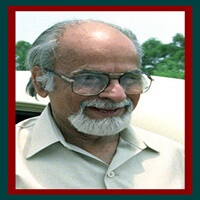
I.K. Gujral- Inder Kumar Gujral- 12th Prime Minister- Some Important Facts

1-I.K. Gujral was the Minister of External Affairs in the V.P.Singh cabinet before assuming the office of the Prime Minister of India.


2- He was jailed in 1942 during ‘Quit India Movement’.


3- At the young age of eleven, he himself actively participated in the freedom struggle in 1931 and was arrested.


4-I.K. Gujral held the following Ministerial positions from 1967-1976-
a-Minister of Communications & Parliamentary Affairs;
b-Minister of Information & Broadcasting and Communications;
c-Minister of Works & Housing;
d-Minister of Information & Broadcasting
e-Minister of Planning.


5-Gujral became the 12th Prime Minister of India. He was in the office for over 11 months, including 3 months as caretaker Prime Minister.


Watch more Polity here


Watch Current Affairs section for here 
Exit mobile version